The most striking headline from today’s quantum landscape is the rapid convergence of industry‑wide error‑correction tools around NVIDIA’s CUDA‑Q Logical framework. Within hours, Infleqtion announced a seamless integration of its qLDPC library with CUDA‑Q Logical, QC Design revealed that its Plaquette platform now runs hardware‑realistic fault‑tolerant simulations through the same stack, and IQM disclosed adoption of CUDA‑Q Logical for open‑architecture benchmarking of its Halocene error‑correction suite. This coordinated push signals that a common software substrate for logical qubits is finally emerging, promising to accelerate cross‑vendor collaboration and reduce the fragmentation that has long hampered scalable quantum development.
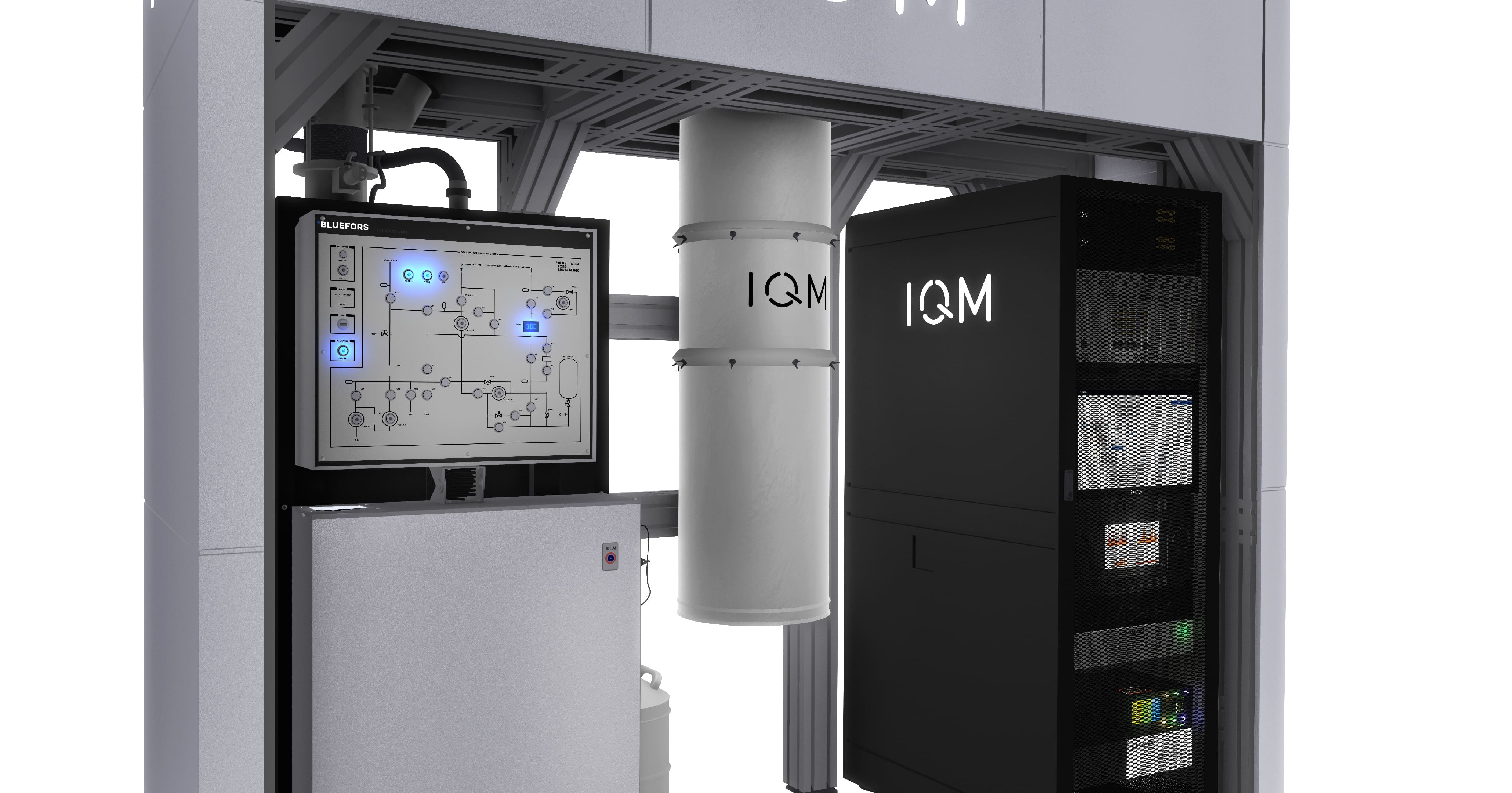
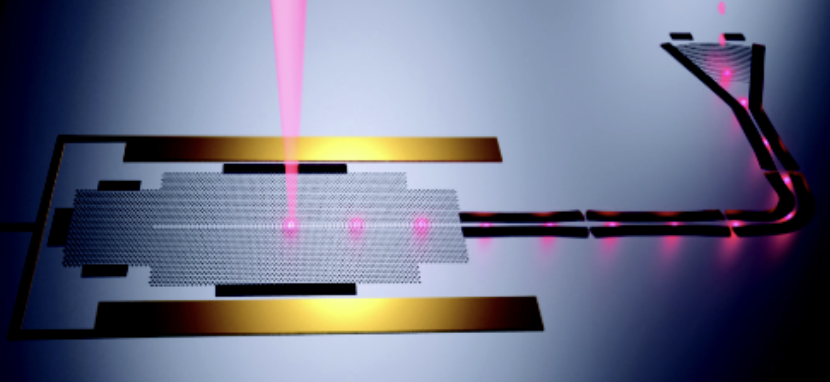
Beyond the unifying software thrust, today’s news underscores two complementary trends: photonic hardware is moving from laboratory curiosity toward deployable networking components, as evidenced by new techniques for shaping photons for reliable quantum communication and Quandela’s joint white paper with NVIDIA outlining a NVQLink‑based architecture that couples photonic QPUs to AI‑focused GPU clusters. At the same time, ecosystem builders are seeding rapid innovation through generous grant programs—BlueQubit’s $150 000 “Quantum Flywheel” initiative, backed by IBM, AWS and NVIDIA, offers cloud compute credits for algorithm discovery and error‑correction research, while Fujitsu’s open‑source OpenQARP package adds a rich library of quantum algorithms to the public toolbox. Corporate commitment is also evident in TOYO Corporation’s purchase of a second IQM Spark system, expanding its superconducting quantum footprint.
Looking ahead, readers should watch for concrete performance benchmarks emerging from the CUDA‑Q Logical integrations, especially any head‑to‑head comparisons of fault‑tolerant logical gate overheads across neutral‑atom (Infleqtion), superconducting (IQM) and photonic (Quandela) platforms. The upcoming IEEE Quantum Week, where IonQ will present nine peer‑reviewed papers, will likely showcase early results from these collaborations and may reveal the first standardized metrics for logical qubit fidelity. As grant programs fund more exploratory work, expect a surge in prototype applications that blend photonic networking with cloud‑accelerated quantum processing—an evolution that could bring the long‑promised quantum internet one step closer to reality.










.jpg)






































AI Commentary